
What Employers and Workers Should Know
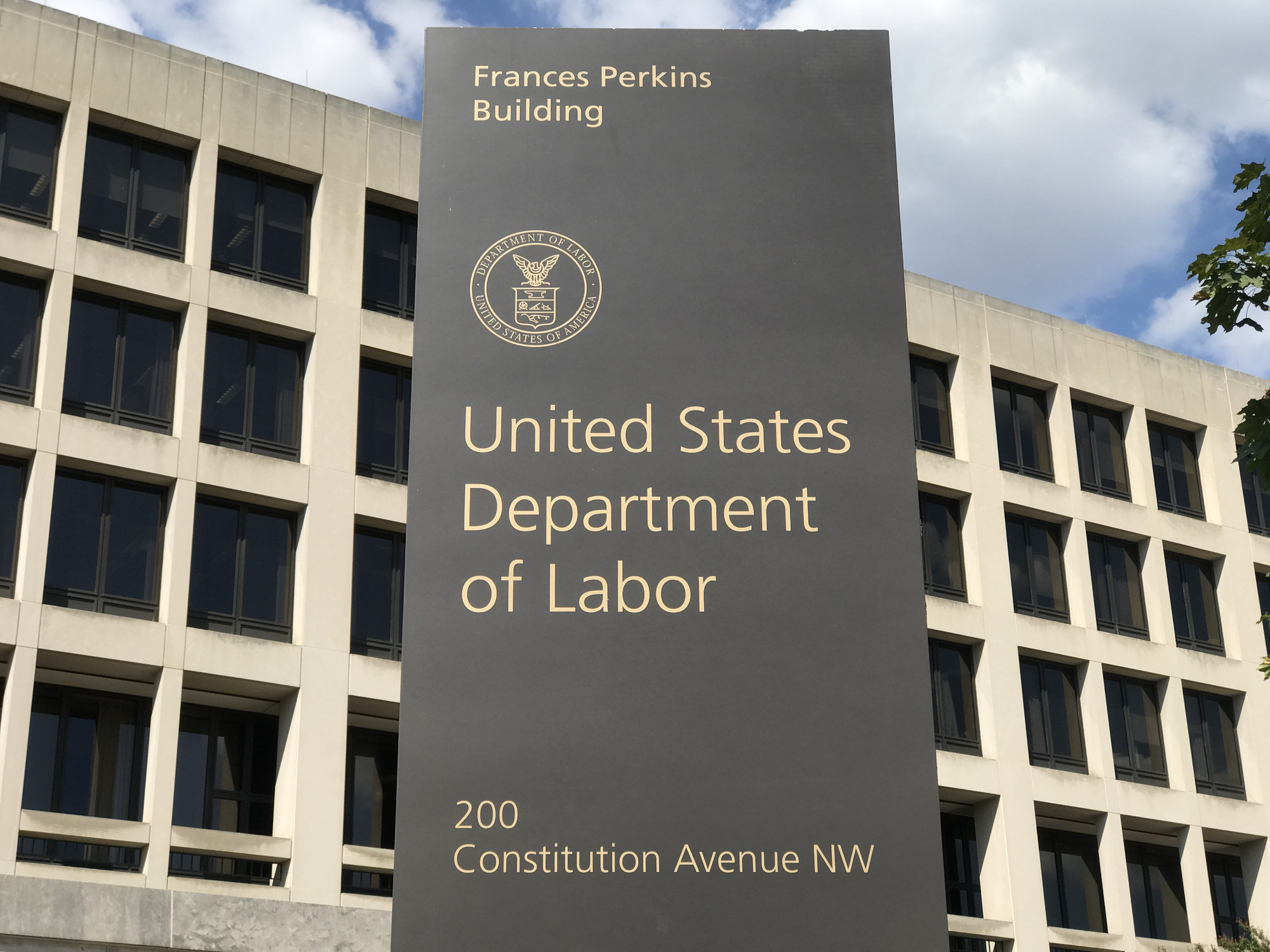
The U.S. Department of Labor’s Wage and Hour Division announced a proposed rule intended to clarify when a worker is an employee and when the worker may be classified as an independent contractor under the Fair Labor Standards Act (FLSA) and related federal laws.
If finalized, the proposal would rescind the department’s 2024 final rule on independent contractor classification and replace it with an employee-classification analysis similar to the one adopted by the department in 2021. The DOL said the proposal aligns with U.S. Supreme Court and federal circuit court precedent and is designed to make it easier to properly differentiate between employees who are protected by the FLSA and workers who are legitimately operating as independent contractors.
For businesses that use 1099 labor, this is a timely moment to review classification practices.
For workers, the proposal signals how the federal government may evaluate whether someone is in business for themself or economically dependent on an employer.
What the DOL Said it Hopes to Accomplish
In announcing the proposal, Secretary of Labor Lori Chavez-DeRemer emphasized both flexibility and protection.
“The tens of millions of Americans who work as independent contractors are helping drive the Golden Age of the American economy,” said Chavez-DeRemer. “The department’s proposed rule seeks to protect these workers’ entrepreneurial spirit and simplify compliance for American job creators navigating a modern workplace, all while maintaining robust protections for employees under the Fair Labor Standards Act.”
Wage and Hour Division Administrator Andrew Rogers similarly framed the proposal as a return to long-standing legal principles and improved predictability.
“The department believes that streamlined regulations in line with Congress’s intent when it passed the Fair Labor Standards Act would improve compliance, reduce misclassification and reduce costly litigation in an economic environment that needs flexibility and innovation,” he said.
The Core of the Proposal: A Streamlined “Economic Reality” Test
At the center of the DOL independent contractor rule proposal is an “economic reality” test. The purpose of the test is to determine whether a worker is:
- In business for himself or herself as an independent contractor
- An employee who is economically dependent on an employer for work
The DOL’s proposal identifies and explains two “core factors” that are intended to guide the analysis.
Core Factor 1: The Nature and Degree of Control Over the Work
This factor looks at who is truly directing the work. In practice, that can include who controls the schedule, the manner and means of performance and the day-to-day decision-making.
Core Factor 2: The Worker’s Opportunity for Profit or Loss
The proposed rule also focuses on whether the worker has an opportunity for profit or loss based on initiative and/or investment. In other words, can the worker increase earnings through business-like decisions such as investing in tools or equipment, marketing services, negotiating rates or taking on additional clients?
Additional Factors the DOL said Should be Considered
Beyond the two core factors, the proposed rule identifies other factors that may help determine whether a worker is an employee or independent contractor, including:
- The amount of skill required for the work
- The degree of permanence of the working relationship
- Whether the work is part of an integrated unit of production
The DOL also advises that actual practice matters more than what is contractually stated or theoretically possible. This is a critical point for employers: a well-drafted independent contractor agreement is helpful, but it will not override the real-world facts.
Eight Examples and Why They Matter
The DOL’s proposed rule includes eight fact-specific examples applying the factors to real-life circumstances. For employers, these examples can be especially useful because they show how the DOL expects the test to work in practice.
If your organization relies on contractors, these examples can serve as a practical checklist for internal review.
What Else is Included: FMLA and MSPA Alignment
The DOL stated that the proposed rule would apply the department’s streamlined analysis not only to the FLSA but also to:
- The Family and Medical Leave Act (FMLA)
- The Migrant and Seasonal Agricultural Worker Protection Act (MSPA)
Both laws use the FLSA’s statutory definition of “employ,” which is why the DOL is proposing a consistent approach.
What Employers Should Do Now
Even though this is a proposed rule, it is a strong signal of where enforcement and litigation risk may trend. Practical steps to consider now include:
- Inventory your current independent contractor relationships
- Compare contractor agreements to actual day-to-day practices
- Identify roles that look permanent, tightly controlled or integrated into core operations
- Document the business rationale for contractor classification decisions
- Review onboarding, training and supervision practices that may create employee-like facts
If you operate across multiple states, remember that federal classification standards are only one part of the compliance picture. State rules can be different and sometimes stricter.
Comment Period and Deadline
The DOL is encouraging interested parties to submit comments. The proposed rule has a 60-day comment period that closes on April 28 at 11:59 p.m. ET.
Contact Zinner & Co.
The DOL independent contractor rule proposal would rescind the 2024 final rule and move back toward a 2021-style, streamlined economic reality analysis with two core factors and additional supporting factors. For employers, the most important takeaway is that classification should be evaluated based on actual practice, not just contract language.
If you have concerns about how the potential DOL rule change could affect you or your business, contact Zinner & Co., as our team can help assess your current situation and prepare you for potential changes.