
Blog & Newsroom

IRS Waives Estimated Tax Penalties for 400,000 Taxpayers

by | 23 Dec | Uncategorized

The IRS has announced it will be automatically waiving penalties for over 400,000 taxpayers. The waived penalties apply to those who have already filed their 2018 taxes, but did not file a waiver seeking forgiveness for the under-payment penalty.

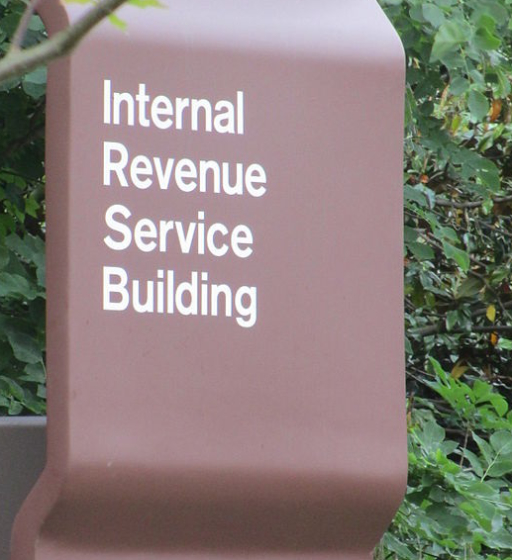
In March 2019, the IRS announced it was willing to waive the penalty against individuals who were under withheld or under paid their tax estimate, as long as they were less than 80% under paid (lowered from the 90% threshold previously used to assess the penalty.) The March IRS penalty waiver required the affected taxpayers to file for the waiver, but their latest move saw them grant penalty relief for all who qualify regardless of whether they applied for the waiver or not.irs-sign-for-newsletters
The waiver comes as a result of the Tax Cuts and Jobs Act, the largest change to the tax code in over 30 years, which found many taxpayers owing when they calculated their return. The move to automatically waive the fees was designed to help those who filed their returns prior to the announcement of the waiver.

The IRS stated they will automatically issue CP21 notices and those who have already paid the penalty will receive a refund check. For those who have not already filed, such as those who filed an extension, the IRS encourages you to claim the waiver when you file your return. This can be done by filing the request electronically or completing IRS Form 2210.

The IRS encourages taxpayers to use their recently updated Paycheck Checkup tool to ensure they are properly withheld for the current tax season. Have questions about your income tax withholding or estimated tax payments? For those who are self-employed or file a quarterly tax estimate, you can check your estimated payment calculations via the IRS’s Pay as You Go web page.

If you have questions about the penalty or the waiver or need assistance with calculating your estimated tax or withholding, contact your Zinner tax professional.


Since 1938, Zinner has counseled individuals and businesses from start-up to succession. At Zinner, we strive to ensure we understand your business and recognize threats that could impact your financial situation.
DOL Proposes New Independent Contractor Rule

What Employers and Workers Should Know The U.S. Department of Labor’s Wage and Hour Division announced a proposed rule intended to clarify when a worker is an employee and when the worker may be classified as an independent contractor under the Fair Labor Standards...

USPS Postmark Changes

A Tax Filing Risk Alert for Taxpayers For decades, many taxpayers have relied on a simple rule of thumb: if it is in the mail by the deadline, you are fine. However, recent U.S. Postal Service (USPS) clarification makes that assumption riskier. On Dec. 24, 2025, the...

Top Security Issues Tax Clients Must Watch Out for in 2026

Tax season has always been a prime opportunity for scammers, and 2026 is emerging as one of the most dangerous years yet. With increased filing confusion, AI‑powered fraud tactics, and a surge in data breaches fueling identity theft, tax clients need to be more...

Zinner & Co. Volunteers at Cleveland Food Bank Healthy Choice Market

On Jan. 22, Zinner & Co. employees spent the afternoon volunteering at the Greater Cleveland Food Bank’s Community Resource Center Healthy Choice Market. Our team was proud to support neighbors directly by helping make the shopping experience easier, more...

No Tax on Overtime Pay

The recently enacted One Big Beautiful Bill Act introduces a major change to the federal tax code, delivering welcome news for both employees and employers for tax years 2025 through 2028, as qualified overtime pay will not be subject to Federal income tax. This...

Send us your questions and we’ll share our insights with you on our blog!

Share Your Idea For 
A Zinner Blog Article